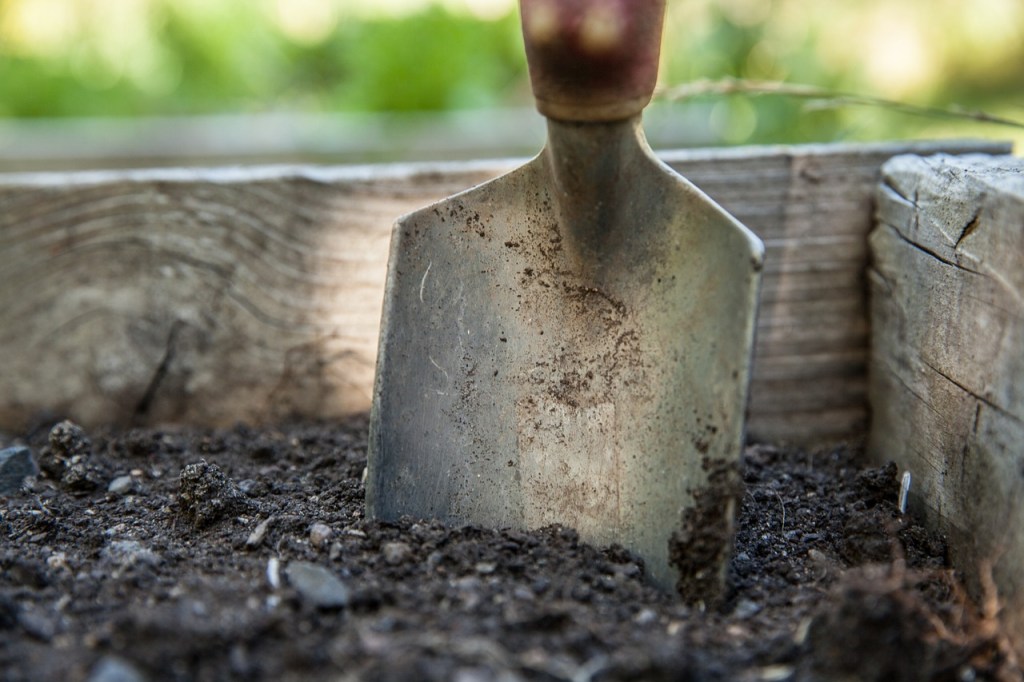
Welcome back to RaisedBedHead, where we’re embarking on a fill-tastic voyage—a step-by-step guide to filling your raised bed garden with the perfect soil mix, guaranteeing a season of lush, bountiful growth. So, grab your shovels.
The Foundation: Understanding Your Bed’s Needs
Before we get our hands dirty, let’s chat about the foundation of all great gardens: the soil. Your raised bed isn’t just a container; it’s a stage for your garden’s performance. The soil you choose is the script from which your plants will draw their nourishment and energy. Not a botanist or soil specialist? No problem, this post is for you.
Step 1: Bottoms Up!
Start with a layer of gravel or coarse stones at the bottom of your raised bed. This isn’t just for show—it’s crucial for ensuring proper drainage, preventing your garden from turning into a swampy mess after the first rain. Think of it as the garden’s drainage system, keeping the waterworks in check.
If weeds are a concern, add cardboard or a weed barrier to the bottom of the raised bed before filling.
Step 2: The Perfect Soil Mix
Now, for the main act: the soil mix. Aim for a blockbuster blend of one-third peat moss (or coconut coir for a more sustainable option), one-third vermiculite (for that airy touch), and one-third compost (the secret sauce of garden nutrition). This trio is like the Three Musketeers of gardening, each playing a crucial role in creating a balanced, nutrient-rich environment for your plants to thrive in.
No time for making you own? No shame or problem. Head to a garden center for bagged raised bed filler. Some garden centers may sell it in bulk or deliver it straight to your home for easy installation.
Step 3: Layering for Success
As you fill your bed, consider adding a layer of organic matter or aged manure before topping it off with your soil mix. This extra step is like marinating your garden; it ensures that your plants get an extra boost of nutrients as they grow, leading to more robust, vibrant veggies and flowers. It sounds gross, I know, but it really makes your plants happy.
Step 4: The Final Touch
Once your bed is filled, give the soil a good watering. This settles the mix and eliminates any air pockets that could disturb root growth. Imagine tucking your plants into the most comfortable bed possible—they should feel snug and secure in their soil blanket.
Step 5: Planting with Purpose
With your raised bed filled and ready, it’s time to plant. Whether you’re starting from seeds or transplanting seedlings, make sure to give each plant enough room to grow. Remember, plants are like people (especially me)—they need their personal space to flourish.
Embrace the Journey
Filling your raised bed garden is more than just a step in the gardening process; it’s an act of creation, a way to connect with the earth and bring your garden dreams to life. Don’t be intimidated – its easy, simple, and whether you make your own soil or buy bagged, you’re making your plants happy.
So there you have it. Filling your raised bed is a foundational step in your gardening adventure, setting the stage for a season of growth, discovery, trial and error, and some rewards.
 RaisedBedHead
Leave a comment